

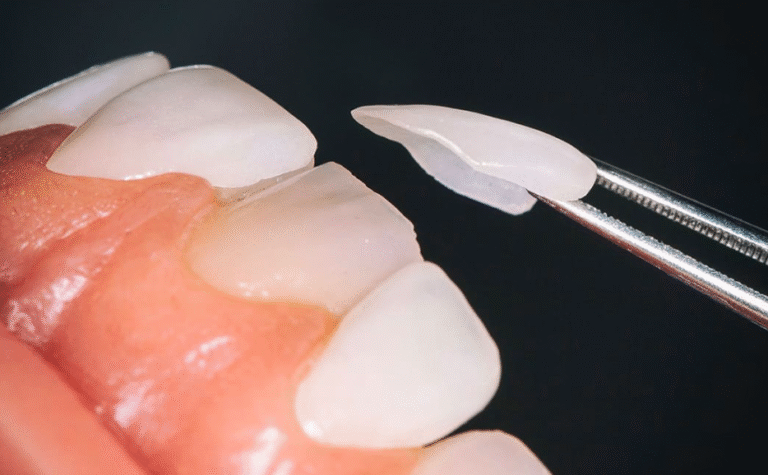
Cosmetic dentistry has really changed its tune over the last few decades, leaning heavily into treatments that do the least amount of damage. Instead of grinding down perfectly healthy tooth structure just to fit a full crown, a lot of dentists now prefer using super thin ceramic shells. It makes a lot of sense when you think about it. These highly precise little covers, which you might know as laminate veneers, offer a much more conservative way to completely revamp a smile. By carefully bonding custom-made porcelain right onto the front of the teeth, a prosthodontist can totally change how your teeth look in terms of shape, length, and color. The best part is that they manage to do all this while keeping most of your natural tooth structure completely untouched.
What They Are Made Of and How They Look
Getting a great result really comes down to the specific materials the lab uses to make these things. Back in the day, dental technicians usually crafted these pieces out of classic feldspathic porcelain. It looked fantastic, honestly, but it just was not very strong when it came to everyday bending or biting forces. Fast forward to today, and we see specialized glass-ceramics pretty much taking over, with lithium disilicate leading the pack.
This modern material is pretty amazing because it brings together serious toughness and a really natural, see-through quality. The ceramic blocks are literally engineered chemically to scatter light exactly the way real human enamel does. That means you completely avoid that fake, flat look that older cosmetic dental work often had. Once the dentist properly glazes and polishes the surface, it naturally blocks plaque from building up. It also fights off common stains from coffee, tea, and tobacco, which keeps your smile looking bright and stable for years.
See also: What to Look for in a Professional Pay Stub Template
Who Makes a Good Candidate
Of course, figuring out if this is the right move for a patient is the first real step to making sure the dental work lasts. Dentists usually suggest this kind of cosmetic fix for people who have deep stains inside their enamel that just will not budge with normal bleaching gels. If you are dealing with stubborn discoloration from severe tetracycline use, fluorosis, or just enamel that did not develop right, you really need to cover it up physically rather than trying to bleach it out chemically.
On top of that, these ceramic shells are basically a magic wand for fixing weird tooth shapes, like those tiny peg laterals or teeth that are just unusually small. If a patient has a slight gap between their front teeth (a condition dentists call a diastema) or maybe a little chip on the biting edge, veneers can fix it easily. You end up with a beautifully balanced smile without having to endure months or years of annoying orthodontic work.
The Step-by-Step Bonding Process
Actually placing these veneers takes an incredible amount of precision, and it all kicks off with preparing the tooth. Unlike getting a regular crown where the dentist has to file down the whole circumference of the tooth, placing a veneer means shaving off just a tiny sliver of enamel. We are talking maybe 0.3mm to 0.5mm at most. Keeping the reduction strictly to the enamel layer is super important. Why? Because the modern adhesives we use in dentistry bond incredibly well to enamel, much better than they do to the softer dentin layer sitting right underneath it.
Once the final pieces come back from the lab, the dentist starts a really careful, moisture-controlled bonding process. First, they etch the inside of the ceramic with hydrofluoric acid, followed right away by a silane coupling agent. At the exact same time, the natural tooth gets treated with phosphoric acid. Finally, a special light-cured resin cement is used to lock everything together. This creates an amazingly strong mechanical and chemical grip between the porcelain and your actual tooth.
How Digital Tech Changes the Game
The massive leap in digital technology has totally flipped the script on how specialists handle this tricky workflow. Most modern clinics have finally ditched those awful, gooey impression trays that make everyone gag. Instead, they use lightning-fast intraoral scanners. These cool little cameras take highly accurate 3D pictures of the inside of your mouth and send that data straight into an advanced design program in seconds.
Top-tier medical clinics like Dentprime really lean on these computer systems to figure out the exact shape and size of every single veneer. Using computer-aided design and manufacturing technology, lab workers mill the raw ceramic blocks down to the micron. This guarantees the edge of the veneer sits perfectly flush against the gumline. Relying on digital tools like this cuts way down on human error and makes the final aesthetic result way more predictable.
Taking Care of Your New Smile
After everything is glued in place, how long your new smile lasts is basically up to you and how well you take care of it. Even though bonded porcelain is about as tough as your natural enamel, it can still break if it gets hit hard or twisted the wrong way. If you happen to be someone who grinds their teeth at night or clenches a lot, your dentist will definitely make you wear a custom night guard while you sleep. Trust me, you do not want to risk cracking the ceramic or popping a veneer off because of a bad habit.
Aside from protecting them from grinding, you have to stay on top of your daily brushing and flossing. Being really meticulous about cleaning is an absolute must. If you skip it, you could end up with inflamed gums or, even worse, new cavities forming right at the microscopic line where the porcelain meets your natural tooth root. But if the dentist did a great job and you actually take care of your teeth at home, these high-tech ceramic pieces will blend perfectly into your mouth. They can keep looking amazing and working flawlessly for a decade or even longer.