

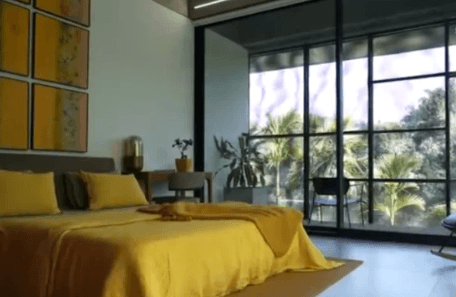
Glass-heavy living spaces—like sunrooms, conservatories, and modern extensions—are designed to bring in natural light and create a seamless connection with the outdoors. But as inviting as they look, these spaces often come with a common challenge: excessive heat and glare, especially during warmer months.
If not managed properly, these issues can turn a bright, relaxing space into an uncomfortable one. The good news is that with the right approach, you can enjoy the benefits of natural light without the downsides.
Why Heat and Glare Become a Problem
Large glass panels allow sunlight to enter freely, which is great for brightness but not always ideal for comfort. During peak hours, sunlight can intensify indoor temperatures and create harsh glare on screens, furniture, and flooring. Over time, this can also lead to fading of fabrics and increased reliance on cooling systems.
Understanding how light behaves throughout the day in your space is the first step. South-facing areas, for example, tend to receive the most direct sunlight, making them more prone to overheating.
Smart Ways to Regulate Temperature
One of the most effective ways to control heat is by limiting how much sunlight enters the space at certain times. This doesn’t mean blocking light entirely, but rather managing it.
Layering your approach works best. You can combine shading solutions with ventilation techniques, such as opening windows during cooler hours or using ceiling fans to circulate air. Reflective surfaces and light-colored furnishings can also help reduce heat absorption.
In spaces with overhead glazing, conservatory roof blinds can be a practical solution to reduce direct sunlight from above while still maintaining a soft, diffused light indoors. When integrated thoughtfully, they help balance brightness and comfort without making the space feel closed off.
Reducing Glare Without Losing Light
Glare is often more frustrating than heat, especially if you use the space for reading, working, or watching screens. Instead of eliminating light completely, the goal should be to soften it.
Sheer fabrics, adjustable coverings, and layered window treatments can help diffuse incoming light. Positioning furniture strategically—away from direct sunlight paths—can also make a noticeable difference.
For glass-heavy areas, consider solutions that allow flexibility. Being able to adjust light levels throughout the day ensures that the space remains usable, no matter the time.
Long-Term Comfort and Energy Efficiency
Managing heat and glare isn’t just about immediate comfort. It also plays a role in energy efficiency. By reducing heat gain, you lessen the need for constant air conditioning, which can lower energy bills over time.
Additionally, protecting interiors from prolonged sun exposure helps preserve furniture, flooring, and décor, extending their lifespan.
See also: Content Creation and Marketing Alienroad Digital Marketing Agency
Creating a Balanced Living Space
The key to making glass-heavy spaces work is balance. You don’t want to lose the openness and natural feel that makes these areas appealing in the first place. Instead, focus on subtle adjustments that enhance comfort while maintaining the aesthetic.
With the right combination of shading, ventilation, and thoughtful design choices, you can transform your space into one that feels just as good as it looks—no matter the season.