

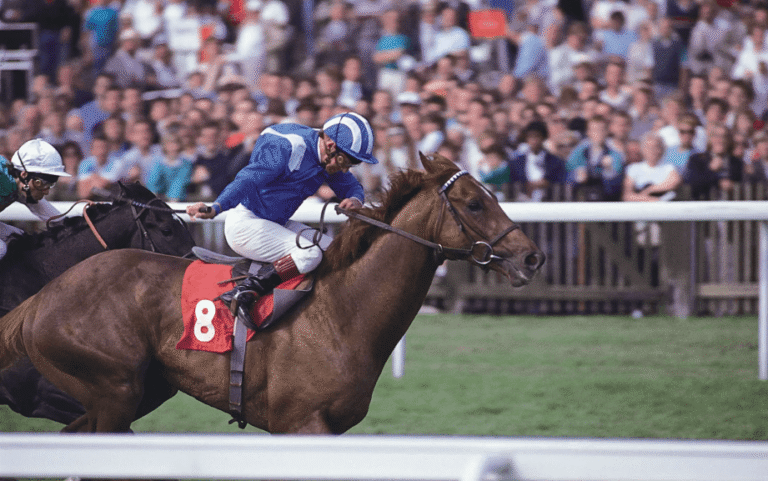
Horse racing has deep roots in ancient civilizations, where it served both as entertainment and a display of skill. Chariot races, in particular, showcased the capabilities of horses and their drivers. This early form of competition not only reflected the cultural values of the time but also set the stage for the sport’s evolution. As advancements in breeding and training emerged, the question arises: how did these changes shape the racing traditions we recognize today?
The Origins of Horse Racing in Ancient Civilizations
Horse racing, a sport that captivates audiences worldwide, traces its origins back to ancient civilizations, where it served not only as a form of entertainment but also as a demonstration of strength and skill.
Ancient cultures celebrated chariot races, showcasing the prowess of horses and their drivers, reflecting societal values. This early form of competition laid the groundwork for the rich tradition of horse racing that followed.
The Evolution of Racing Techniques and Horse Breeds
Over the centuries, racing techniques and horse breeds have undergone significant transformations, driven by advancements in training methods, breeding practices, and a deepening understanding of equine physiology.
Sophisticated breeding techniques have yielded faster, more resilient horses, while innovative training methods emphasize agility and stamina.
This evolution reflects the human pursuit of excellence and the desire for freedom, enhancing the sport’s competitive spirit and overall experience.
See also: The History of Horse Racing: From Ancient Greece to Modern Times
The Establishment of Formal Racing Events
As the popularity of racing grew, the establishment of formal racing events marked a pivotal moment in the sport’s history.
These events necessitated the creation of racing regulations, ensuring fair competition and safety standards.
Event organization became critical, with dedicated committees overseeing logistics, scheduling, and promotion.
This formalization not only enhanced public interest but also laid the groundwork for horse racing as a respected, organized sport.
The Global Impact and Modernization of Horse Racing
The formalization of racing events paved the way for horse racing to evolve into a global phenomenon, transcending cultural and geographical boundaries.
Technological advancements have revolutionized the sport, enhancing fan engagement and accessibility.
Global wagering has expanded, allowing enthusiasts to place bets from anywhere, fostering a shared passion across nations.
This modernization reflects both the sport’s rich heritage and its dynamic future.
Conclusion
In conclusion, horse racing’s journey from ancient chariot races to modern-day events reflects a dynamic interplay of culture, technology, and sport. For instance, the establishment of the Kentucky Derby in 1875 not only showcased breed advancements but also solidified horse racing as a staple of American tradition, drawing thousands annually. This evolution underscores the sport’s ability to adapt and thrive, captivating audiences and preserving its storied legacy amidst changing societal values and interests.